How to Connect Gist as Data Source
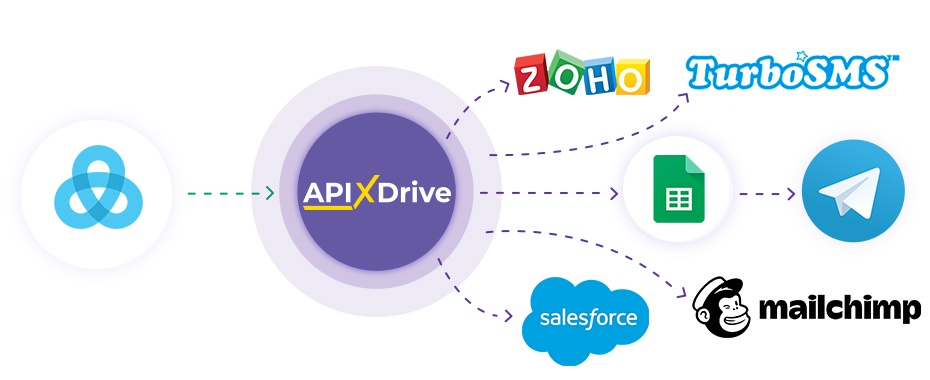
The integration will allow you to receive new conversations from the Gist service, transferring them to other systems. For example, you can send conversations to your CRM, Google Sheets, or duplicate them in a convenient messenger. This will allow you to effectively automate workflows and save a lot of time.
Let's go through the entire Gist setup steps together!
Navigation:
1. What data can I get from Gist?
2. How to connect a Gist account to ApiX-Drive?
3. Status selection.
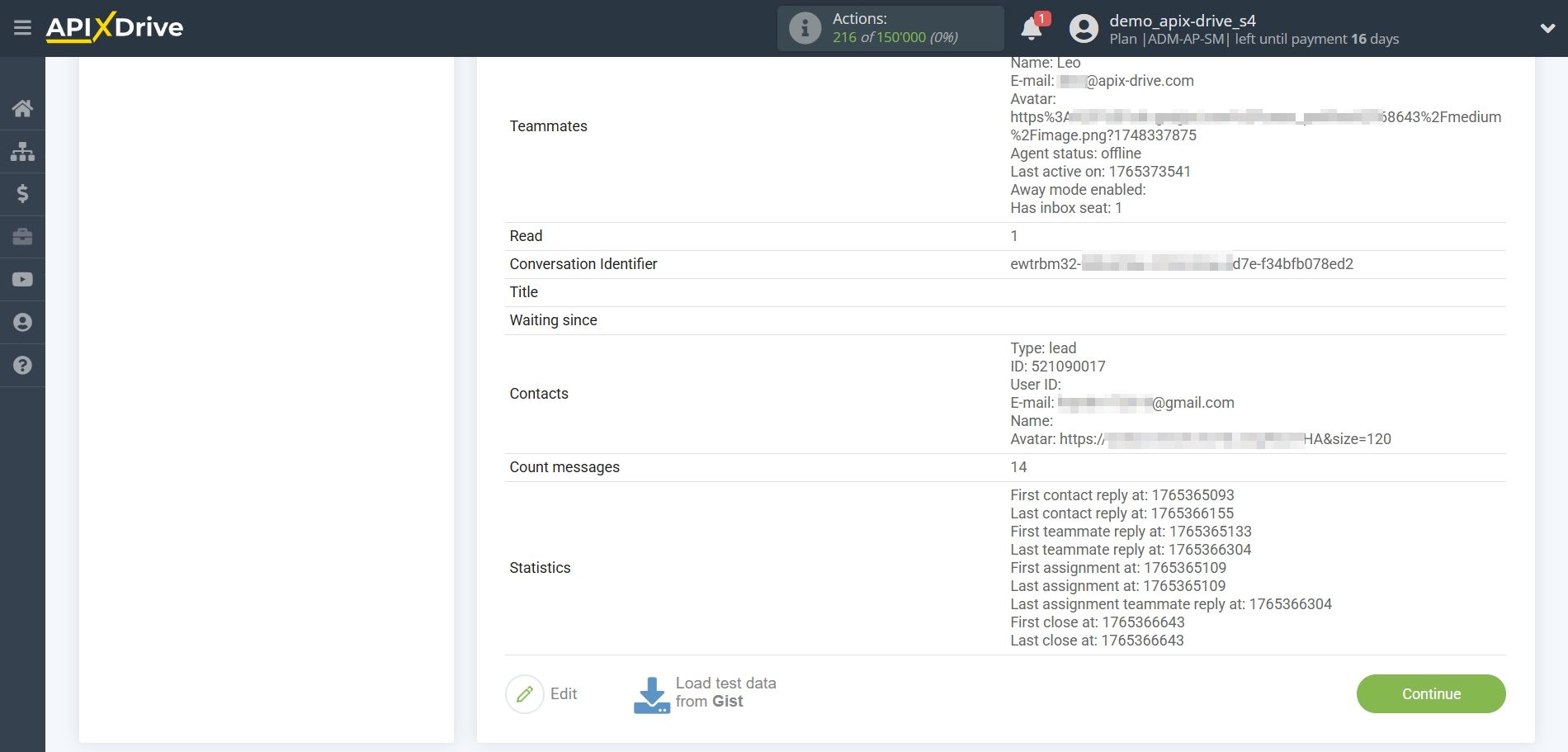
4. An example of data on a conversations from a status.
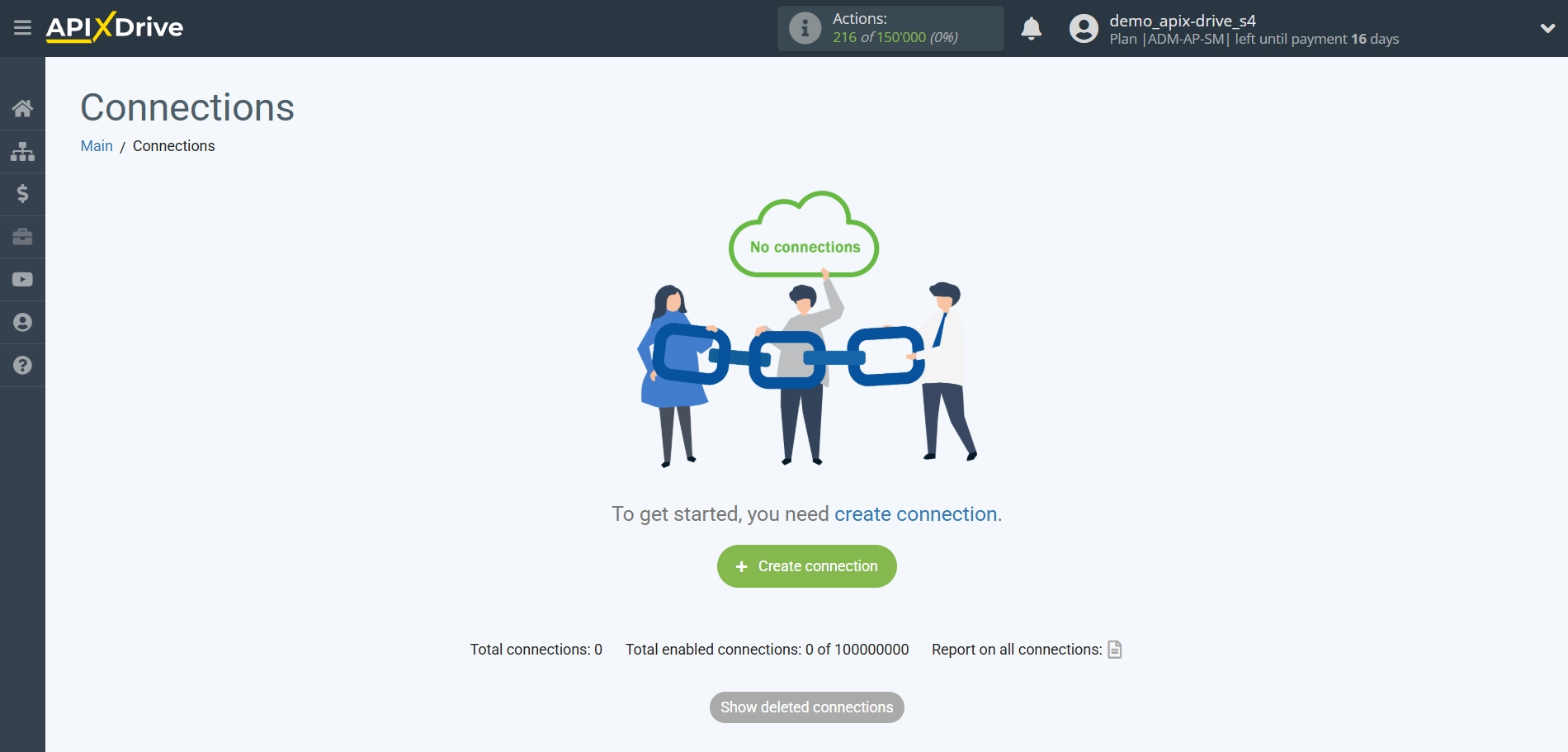
To start setup click "Create connection".
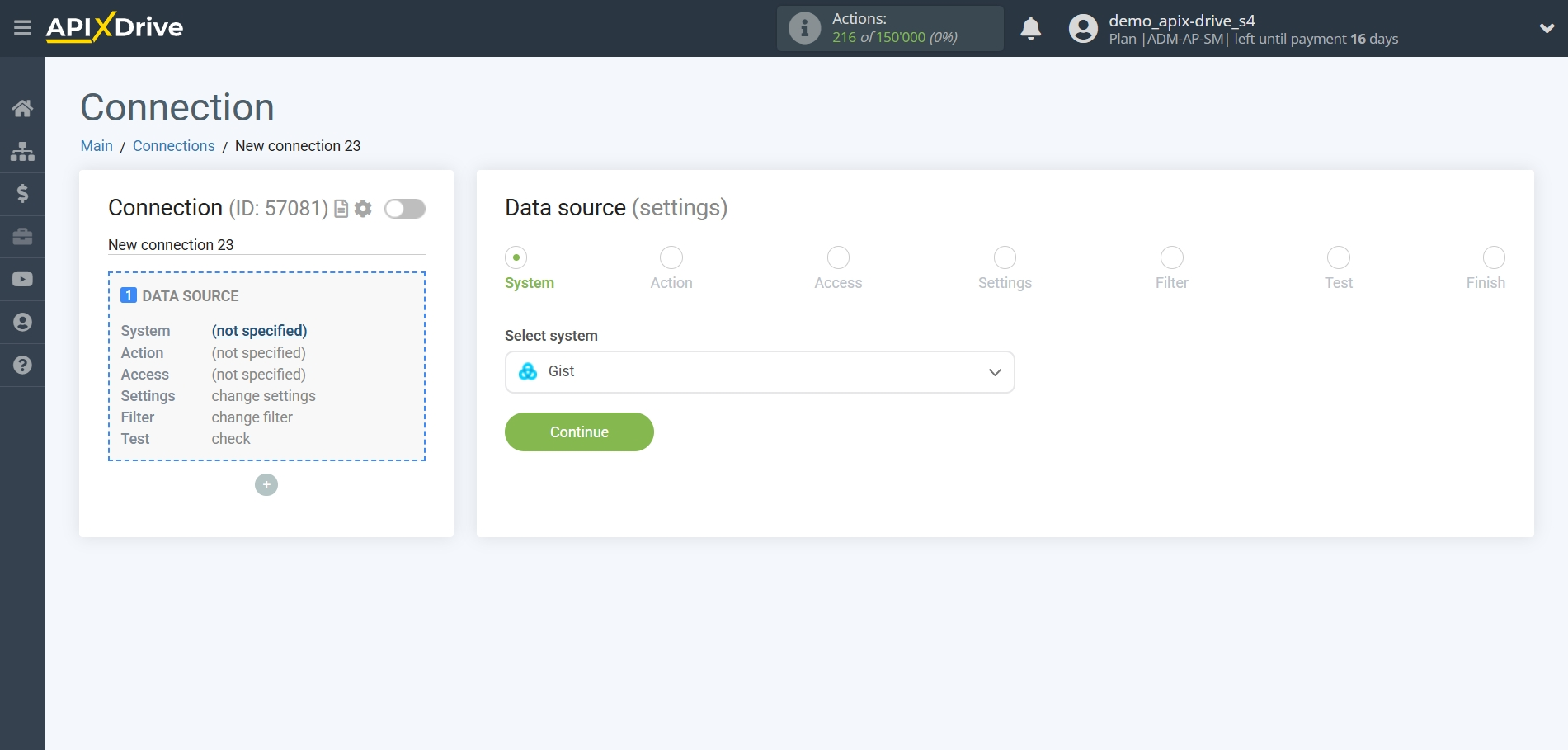
Select a system as the Data Source. In this case, you need to specify Gist.
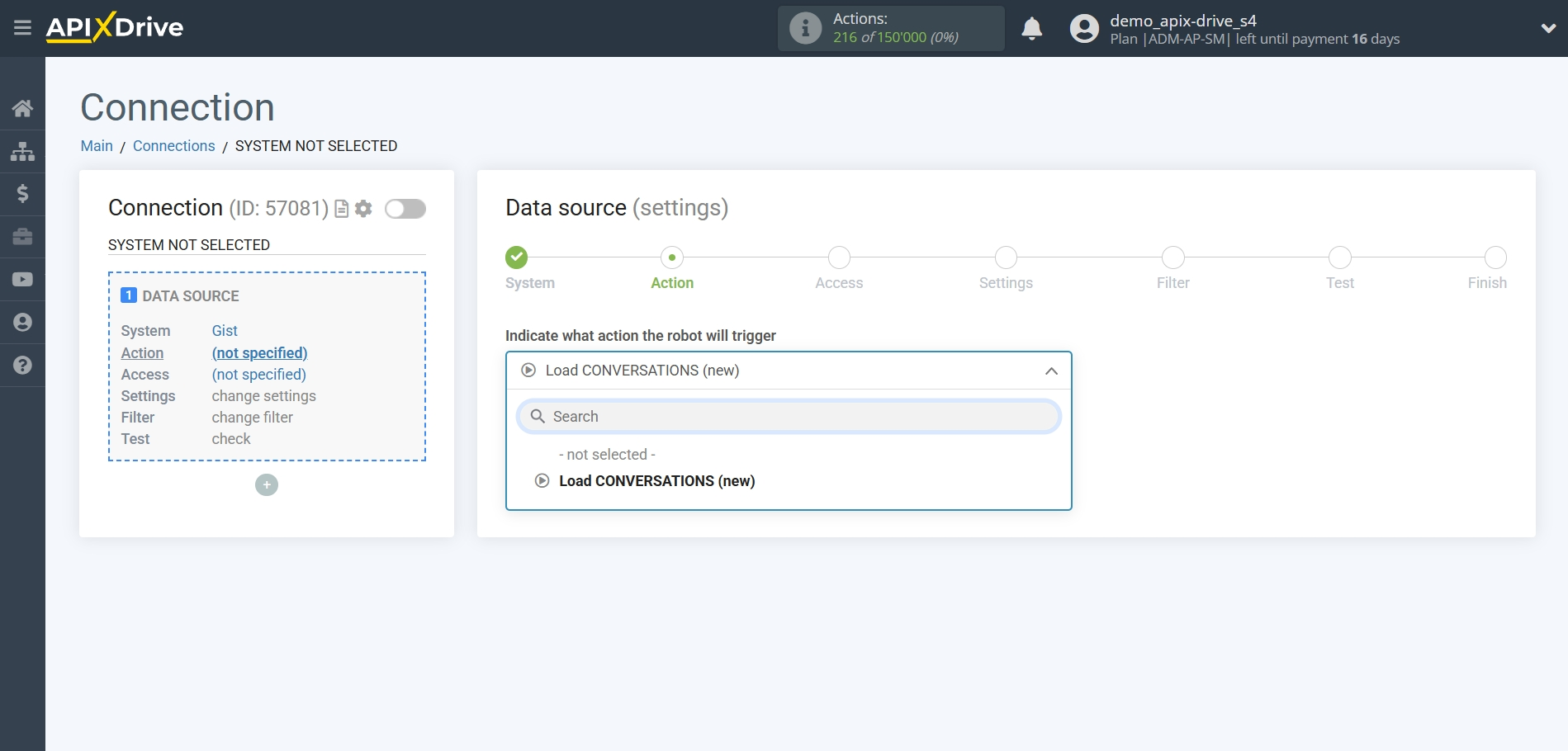
Next, you need to specify the action "Load CONVERSATIONS (new)" - Apix-Drive will get all new conversations from Gist and transfer them to the selected Data Destination system.
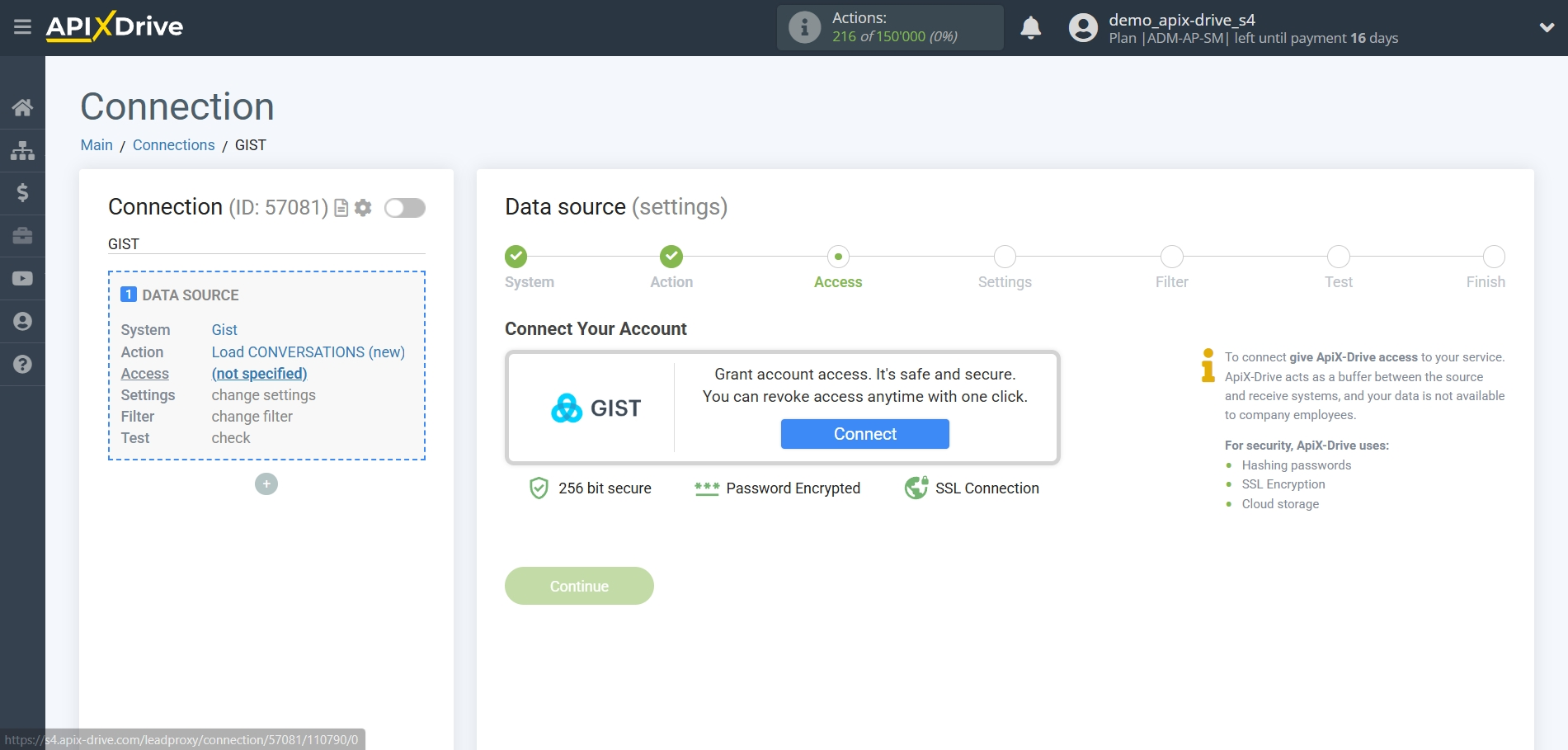
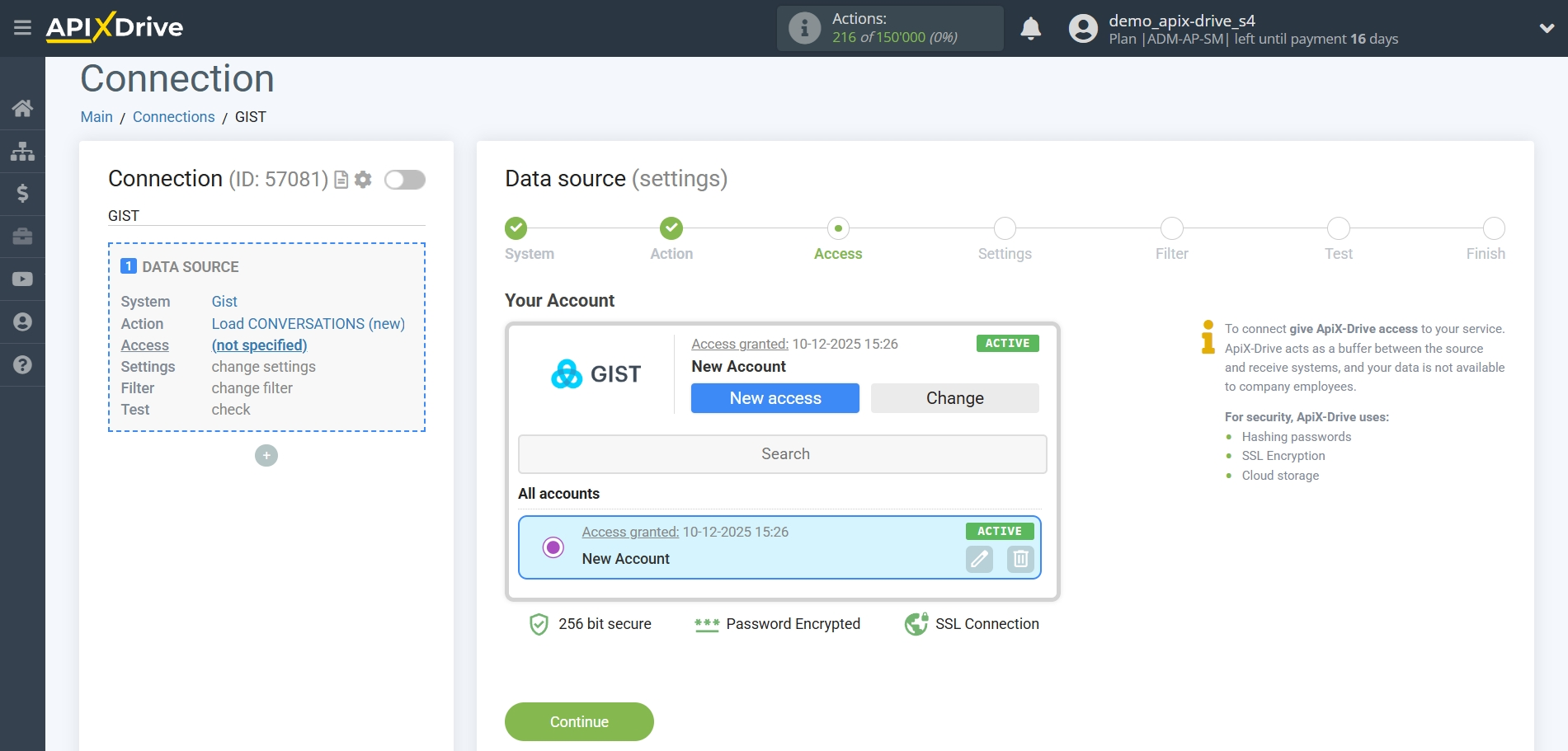
The next step is to select the Gist account, from which Apix-Drive will get conversations.
If there are no accounts connected to the system, click "Connect account".
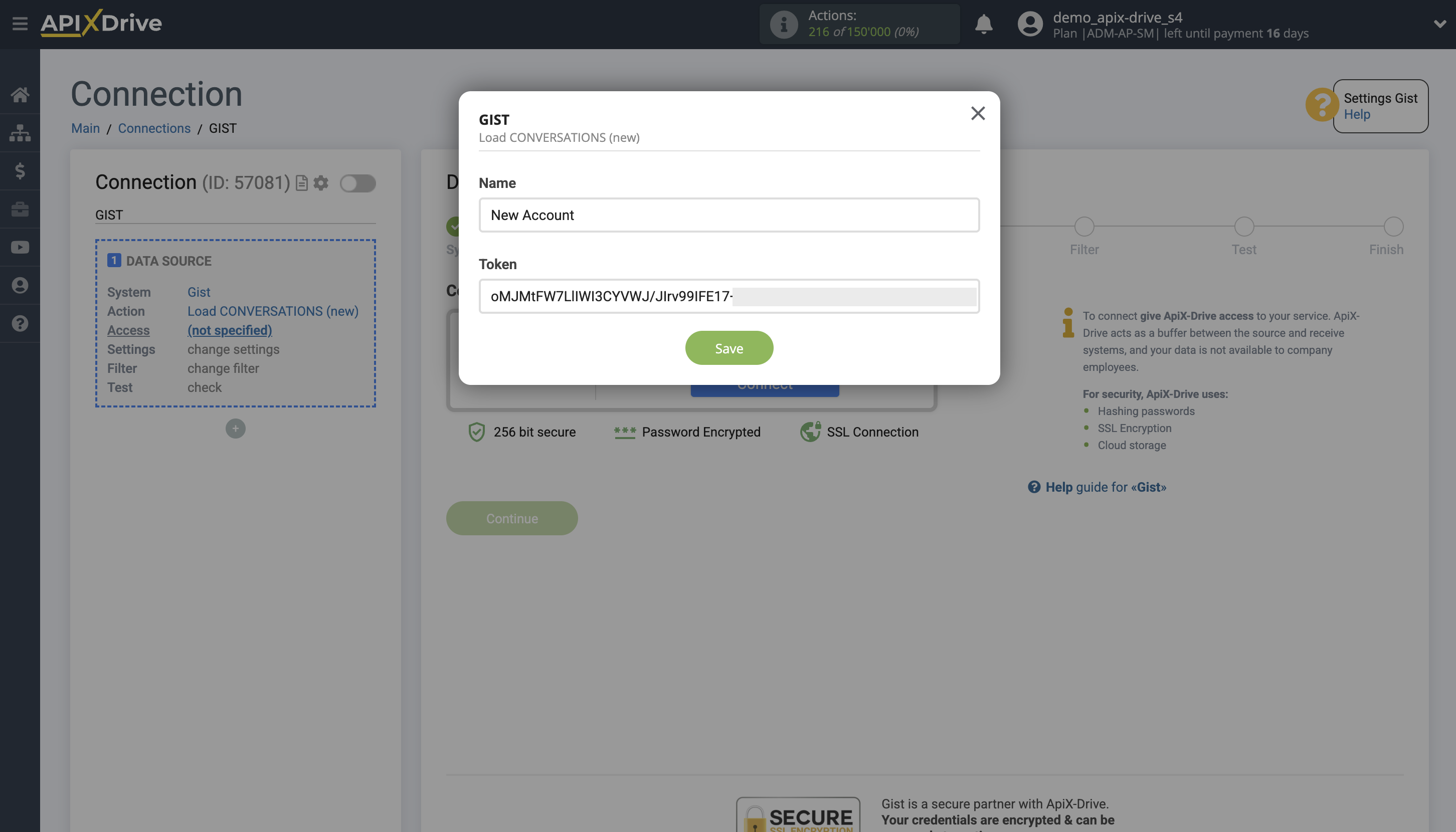
Next, you need to enter the value, where:
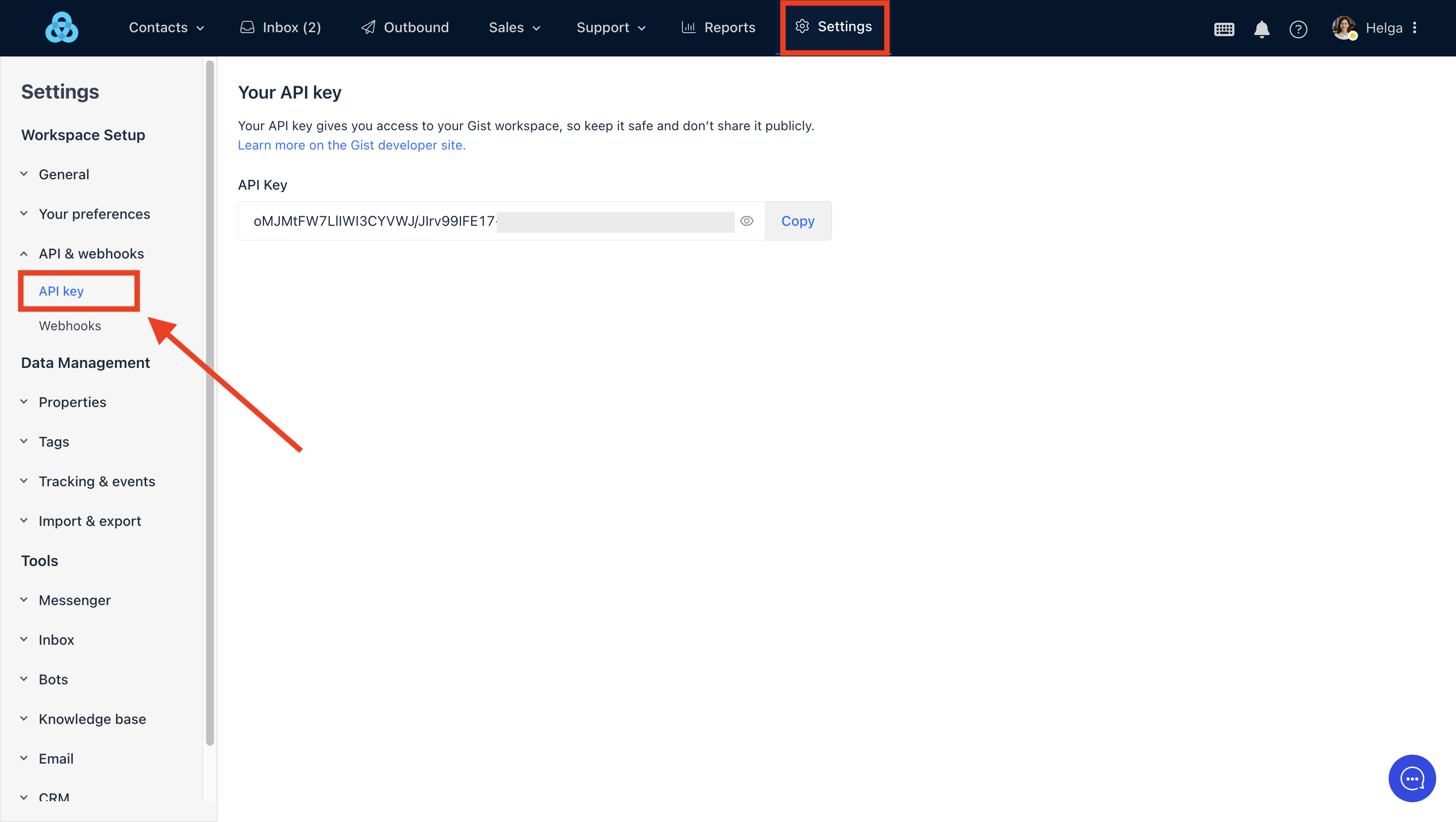
API key – the key for connecting to your personal account. The API key is located in your Gist account settings.
Open Settings in your Gist account and go to the API key section. Copy the API key and paste it into the ApiX-Drive field.
Once the connected account appears in the list of active accounts, select it for further work.
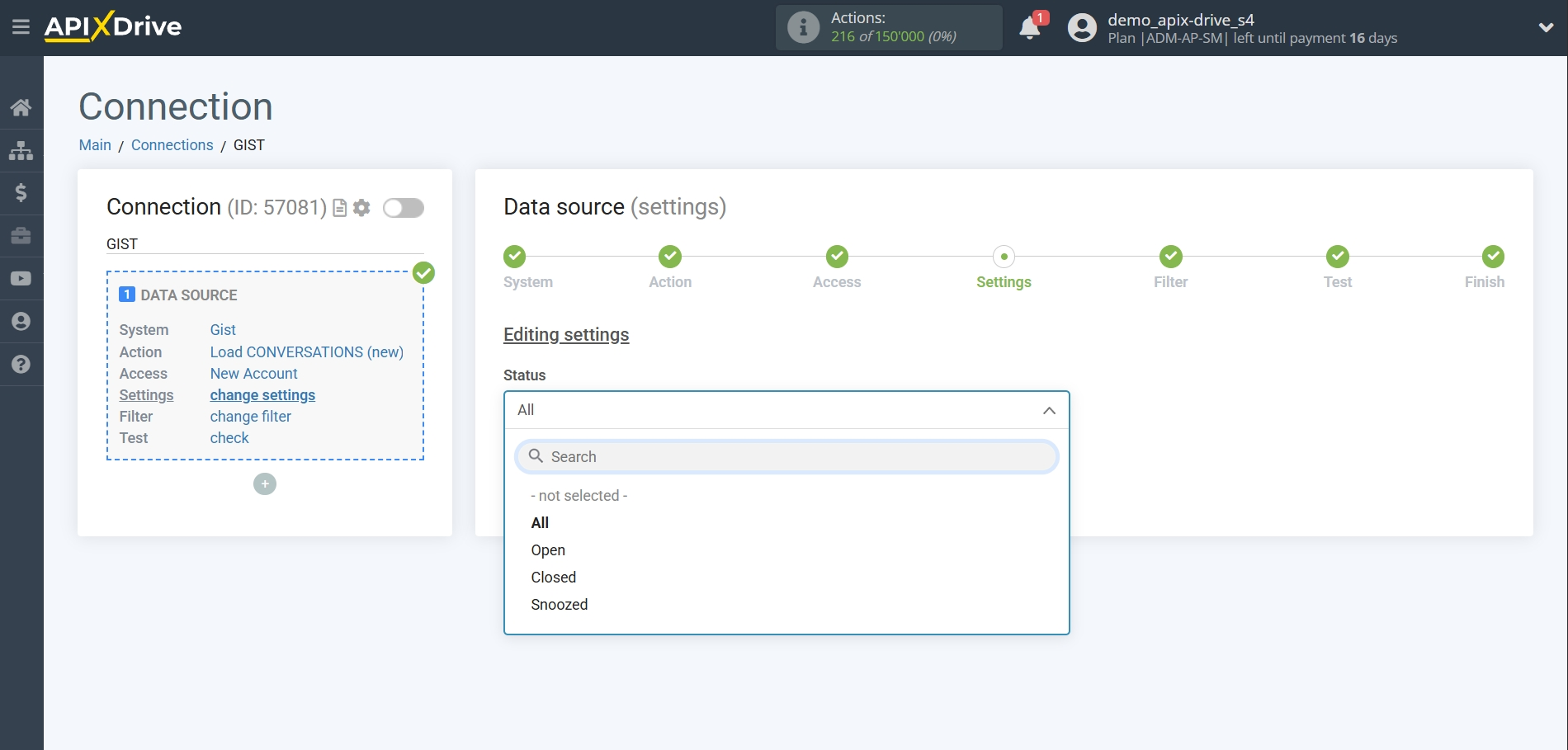
Specify the status in your Gist that you want to get conversations from.
If you need to get conversations from multiple statuses, then create another link and select a different status.
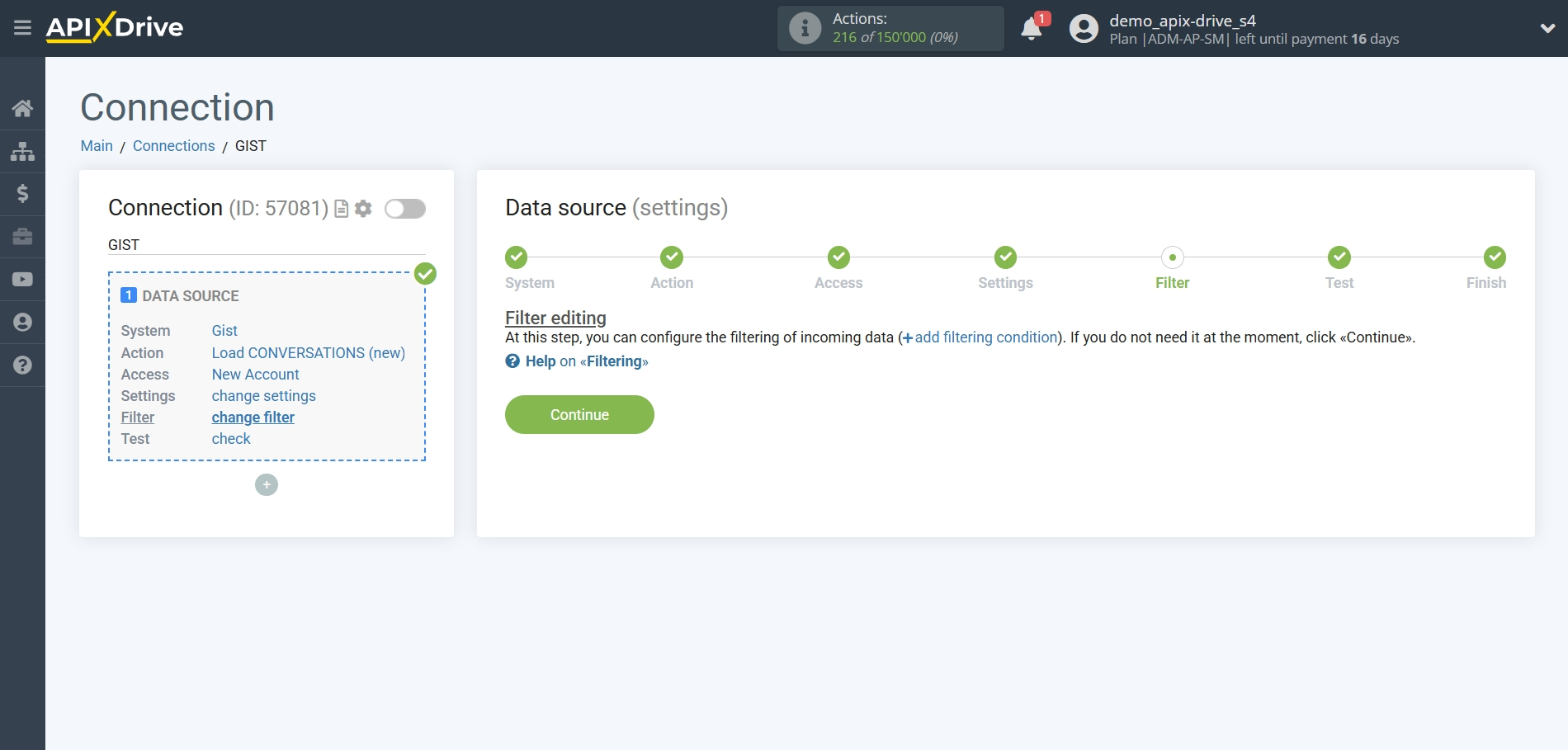
If necessary, you can set up a Data Filter, or click "Continue" to skip this step.
To find out how to setup the Data Filter, follow the link: https://apix-drive.com/en/help/data-filter
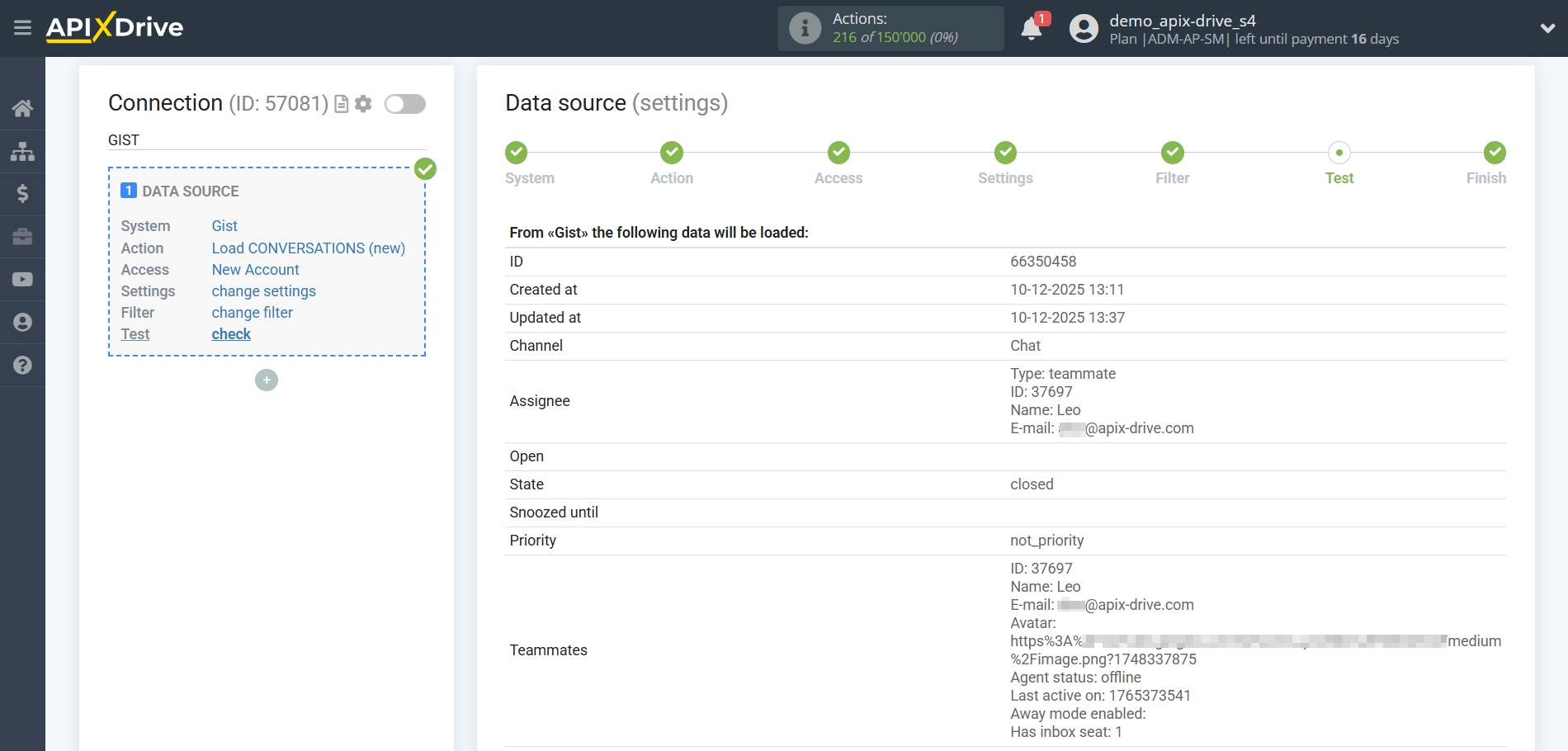
Now you can see test data for one of the posts in the selected Gist status.
If you want to update the test data - click "Load test data from Gist".
If you want to change the settings - click "Edit" and you will go back one step.
If everything suits you, click "Next".
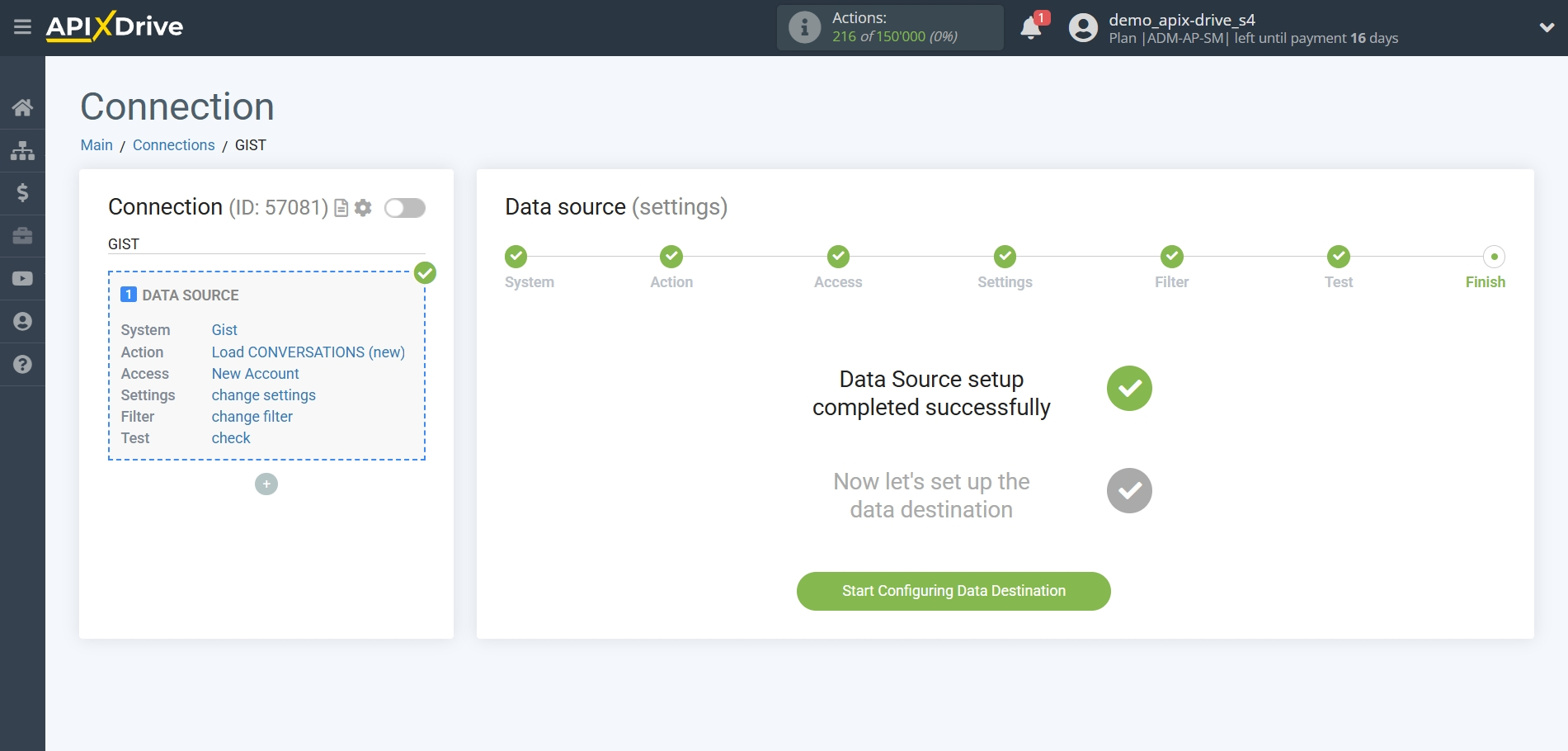
This completes the entire Data Source setup! See how easy it is!?
Now you can start setup the Data Destination system.
To do this, setup it yourself or go to the help section "Data Destination", select the service you need as Data Destination, and follow the setup recommendations.
Good luck!