B2B vs. B2C Marketing: 5 Key Differences Every Marketer Should Know (2026)

Selling goods or services to businesses differs significantly from selling products to consumers. Understanding how B2B and B2C marketing differ is a must-have skill for a modern marketer. We've detailed the key differences between these marketing approaches (purchase motivation, decision-making process, sales cycle length, communication format and language, and promotion channels). Let’s take a closer look at them.
Buying Motivation
Buyer motivation is one of the key differences between B2B and B2C marketing. During the purchasing process, business customers are guided primarily by rational arguments and make logical decisions, whereas B2C buyers often rely on emotions and make impulse purchases.
B2B
B2B audiences are motivated by the search for solutions that will improve the productivity and profitability of their businesses. These customers place a high priority on the functional benefits and cost-effectiveness of a product.
B2B buyers make purchasing decisions only after assessing the value of a specific product or service for their company. They also calculate ROI and other metrics to help them make the right choice.
Minimizing costs and risks is an equally important motivator for business clients. An uneconomical purchase will lead to financial losses and a decline in KPIs, so B2B buyers seek confirmation of a product's reliability and effectiveness in the form of recommendations, case studies, or a trial period.
B2C
B2C customers are often driven by emotions when choosing products or services. They are primarily motivated by factors such as comfort, pleasure, increased social status, belonging to a particular group, and the fear of missing out (FOMO).
B2C consumers often make spontaneous purchasing decisions, guided by immediate desires rather than careful analysis and logic. Typically, buyers are looking for products that solve specific problems, provide personal benefits, and improve their quality of life.
Different motivations require different approaches to marketing to businesses vs. consumers. In B2C marketing, it's advisable to use emotional storytelling, compelling visuals, and memorable branding to evoke a desire to purchase a product or service.
When developing marketing campaigns for the B2B segment, it's important to emphasize the product's functional benefits and other factors (price, service, warranty). These factors help demonstrate its value and cost-effectiveness for the business.
Decision-Making Process
A comparison of B2B vs. B2C marketing reveals significant differences in the purchasing decision process. In the B2B segment, it is characterized by increased complexity and a longer decision-making process, as well as a large number of stakeholders involved. In the B2C segment, buyers make purchasing decisions more easily and quickly, often driven by emotions or external triggers.
B2B
In business-to-business transactions, decisions are most often made not by a single person, but by a group of stakeholders, including managers, department heads, technical experts, and other participants. According to Gartner research, the typical B2B buying group consists of 6 to 10 stakeholders, though in complex enterprise deals this number can be higher. This significantly complicates the decision-making process and makes it longer due to the increased number of stages.
The decision-making unit (DMU) must reach consensus and approve the deal at all levels before signing the contract. This often involves drafting a documented justification for the purchase, requesting and reviewing additional information (whitepapers, specifications, case studies), analyzing risks, calculating ROI, agreeing on a budget, and formally approving the procurement procedure.
B2C
In the B2C segment, purchasing decisions are made much faster and easier, most often by a single buyer or a small group of people (a couple, a family, or a group of friends).
Most consumers make emotionally driven choices without extensive analysis or consideration. For example, when they encounter a product they like in-store or see an ad online or on TV. Their decisions are most often driven by factors such as utility, comfort, satisfaction, or problem-solving. For B2C audiences, a favorable price is also of great importance, especially when it includes discounts or promotions (e.g., 2+1).
Individual consumer choices are often influenced by external triggers: a friend's recommendation, an influencer's recommendation, etc. These differences in decision-making are an important factor to consider when developing B2B vs. B2C strategies. For example, providing comprehensive and detailed product information increases the likelihood of a successful B2B transaction. For B2C audiences, short, concise messages with an emotional subtext are much more effective.
Sales Cycle Length
Differences in decision-making processes directly impact the length of the B2B vs. B2C buyer journey. The B2B segment is characterized by a longer and more complex cycle, consisting of a number of stages. For B2C audiences, it is significantly simpler and faster due to fewer factors influencing a successful transaction.
B2B
In business-to-business transactions, the sales cycle typically ranges from one to six months, though complex enterprise deals can extend well beyond a year.
The length of the B2B sales cycle is influenced by a number of factors discussed in the previous sections of this article. Key among these are the larger number of decision-makers, the need for multi-stage approvals, multiple rounds of negotiations, and the requirement to tailor proposals to each individual client. All of this also increases the time it takes to close a deal.
According to one of the most common models, the B2B sales cycle is divided into eight typical stages. Each of these stages affects its overall duration. These include lead generation, lead qualification, needs analysis, consultation and demo, proposal and RFP stage, negotiations, contract approval, and onboarding.
B2C
The sales cycle for individual consumers is significantly faster. On average, it lasts from a few minutes to several weeks, depending on the industry and specifics of the business. In some industries (e-commerce, for example), customers can place their orders with a single click.
The speed of closing deals in the B2C segment is primarily driven by the emotional component and the absence of factors that slow down the process. These factors include a large number of decision-makers, risk analysis, ROI calculations, approvals, negotiations, etc.
Individual consumers bear significantly less responsibility, as the financial and other losses in the event of a disappointing purchase are significantly lower. Furthermore, the purchase process is expedited by a product warranty or the ability to return it without penalty.
A typical B2C sales cycle can be broken down into four stages:
- attention;
- interest;
- purchase;
- post-purchase experience.
Differences in B2B vs. B2C sales processes require marketers and sales managers to implement different approaches when working with these customer groups. Furthermore, they must ensure the appropriate number of stages and lead progression timelines and processes for each segment.
Messaging and Language
B2B vs. B2C messaging and tone of communication are important factors to consider when preparing marketing campaigns. When interacting with business clients, formal and informative messages are most effective. Communication with individual consumers should be simple and friendly, and use emotion-driven language.
B2B
When interacting with B2B audiences, it's important to use detailed messages and materials that highlight the seller's competence and expertise, as well as describe the rational benefits and advantages of their product for the buyer. This approach builds trust and promotes more informed decision-making.
Effective messages for business clients have a professional, formal tone and style. They are characterized by clarity and precision in wording and expression. Avoid emotional overtones or exaggerated statements, which are often perceived as unprofessional. Instead, use logic-driven language and emphasize solving pressing problems or achieving goals, improving productivity, achieving high returns on investment, and minimizing risks.
B2B messaging should include technical data and industry terminology. It's important to emphasize the long-term value and strategic advantages your product will bring to their business. Where possible, each point should be supported by specific facts and figures.
B2C
When engaging with the B2C segment, it's recommended to use a conversational, informal, and friendly tone with an emotional component. Emotional appeal is considered one of the most effective communication techniques for individual consumers. Your messages and the campaign as a whole should appeal to the desires and feelings of your target audience, evoking positive or negative emotions (for example, fear of missing out).
Messages for B2C clients should be presented in simple and understandable language, without unnecessary detail or complex language. They should briefly and concisely outline the product's key benefits without delving into technical details. It's best to avoid using specific terms or jargon.
Such messages should feel personal and speak directly to the individual reader. In them, you are addressing a specific person, not a group or company.
B2C offers should emphasize quick results rather than long-term benefits, as in the B2B segment. It's a good idea to emphasize urgency to encourage the buyer to make a purchase. You can reinforce your message with customer reviews, expert recommendations, influencers, or other forms of social proof.
Marketing Channels and Formats
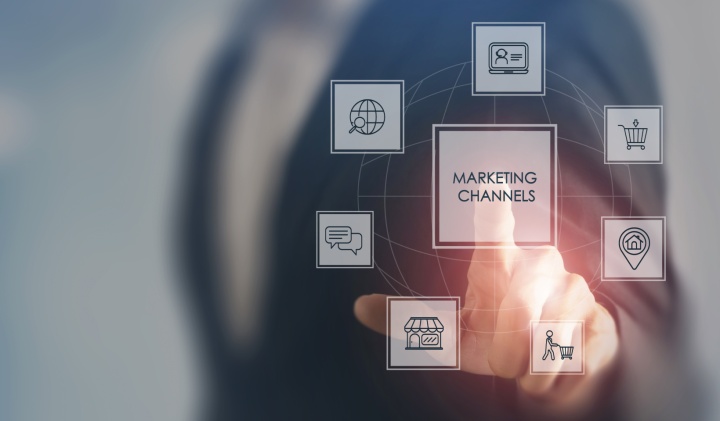
When choosing promotion channels and formats within a B2B vs. B2C content strategy, it's important to consider the specifics of interacting with different audience types. This directly impacts the effectiveness of communications and marketing efforts. Let’s look at approaches for each segment.
B2B
For B2B marketing campaigns, the most effective methods include professional networks like LinkedIn, video platforms like YouTube, email newsletters, informational and analytical articles on blogs and professional platforms, and webinars. These formats allow for systematic communication with a professional audience.
Business clients respond well to comprehensive, detailed, and data-rich materials that are highly informative and designed to educate or demonstrate the value of a brand or product. These materials foster a deeper understanding of the offering and build trust.
Popular content formats for this audience include whitepapers and e-books, specifications, and technical documentation. Email newsletters, case studies, industry reports and research, product demos, online events (webinars), and other resources are equally effective.
B2C
Among B2C marketing channels, social media and other platforms focused on engaging, emotion-driven, and predominantly visual content are considered the most effective. Specific examples include social media platforms popular with broad audiences: Instagram, TikTok, YouTube, Facebook, Pinterest, and Reddit.
For individual consumers, content formats such as short videos (TikTok, Instagram Reels, YouTube Shorts), social media posts, and stories are best suited. Email newsletters, promotional campaigns, and landing pages with strong CTAs are also effective.
User-generated content (UGC) and influencer collaborations help promote brands and products in the B2C segment. This audience is open to experimentation with content topics and formats and expects frequent updates.
Conclusion
Significant differences between B2B and B2C target audience groups require marketers to comprehensively optimize promotion strategies for both segments. Effective adaptation and customization will help specialists develop targeted campaigns that consider customer motivation, priority promotion channels, popular formats, and other important aspects.
Applying these principles in practice can significantly improve marketing performance and reach specific audiences more effectively. This, in turn, will enable more precise achievement of marketing goals.
Read also on our blog:
- Omnisend Overview: A Smart Way to Automate Your Marketing
- Firecrawl Explained: Turning the Web into Usable Data with AI
- Apollo.io Explained: How This Platform Supercharges Sales and Lead Generation
- TikTok and Google Calendar Integration: Automatic Lead Transfer
- How to Get Data from Tally to Airtable: Step-by-Step Integration Setup